CASE STUDY
Enhanced quality and efficiency at Oslo Emergency Clinic
A high-acuity emergency clinic, providing essential medical services to a diverse patient population.
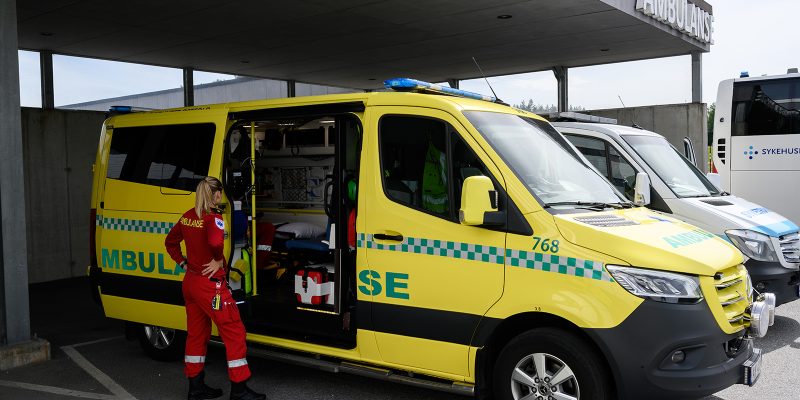
Open at all hours, the clinic provides Oslo’s inhabitants with help in emergencies and crises, with treatment for injuries and addiction as well as mental health and speciality services.
Background
Oslo Emergency Clinic, Norway, faced growing demands for more efficient operations amid increased patient inflow and staffing challenges. The clinic recognised the need to improve internal coordination, streamline workflows and optimise the use of existing capacity to maintain high-quality care standards.
A research-led evaluation conducted by the Norwegian Research Centre (SINTEF) took place before, during and after full-scale implementation. The goal: assess the impact of digitalising and structuring operations across the clinic.
Challenges
The clinic faced organisational challenges, with disorganised processes and a lack of coordination among different professionals. The clinic’s workflows were fragmented, with limited coordination between medical, nursing, and support service teams. Nurses’ unstructured triage led to a lack of structured processes in doctor consultations, and housekeeping services were not optimised to support workflow, resulting in a formidable challenge of non-optimal patient flow and discharge processes.
Support services such as cleaning and portering were not synchronised with clinical needs, causing avoidable bottlenecks. The reliance on paper-based routines further limited the ability to share real-time information across departments, while staff often worked in silos without a shared overview of patient status, bed availability, or task prioritisation.
The overall result was a reactive environment where staff spent time chasing information, duplicating efforts, and managing issues on an ad hoc basis. These inefficiencies impacted patient flow and staff workload, and also posed a risk to the quality and consistency of care delivered. A pre-implementation analysis by SINTEF confirmed that the clinic’s existing processes were neither scalable nor sustainable in the face of increasing demand and complexity. A structured, digital approach to coordination and resource management was urgently needed.
Solution
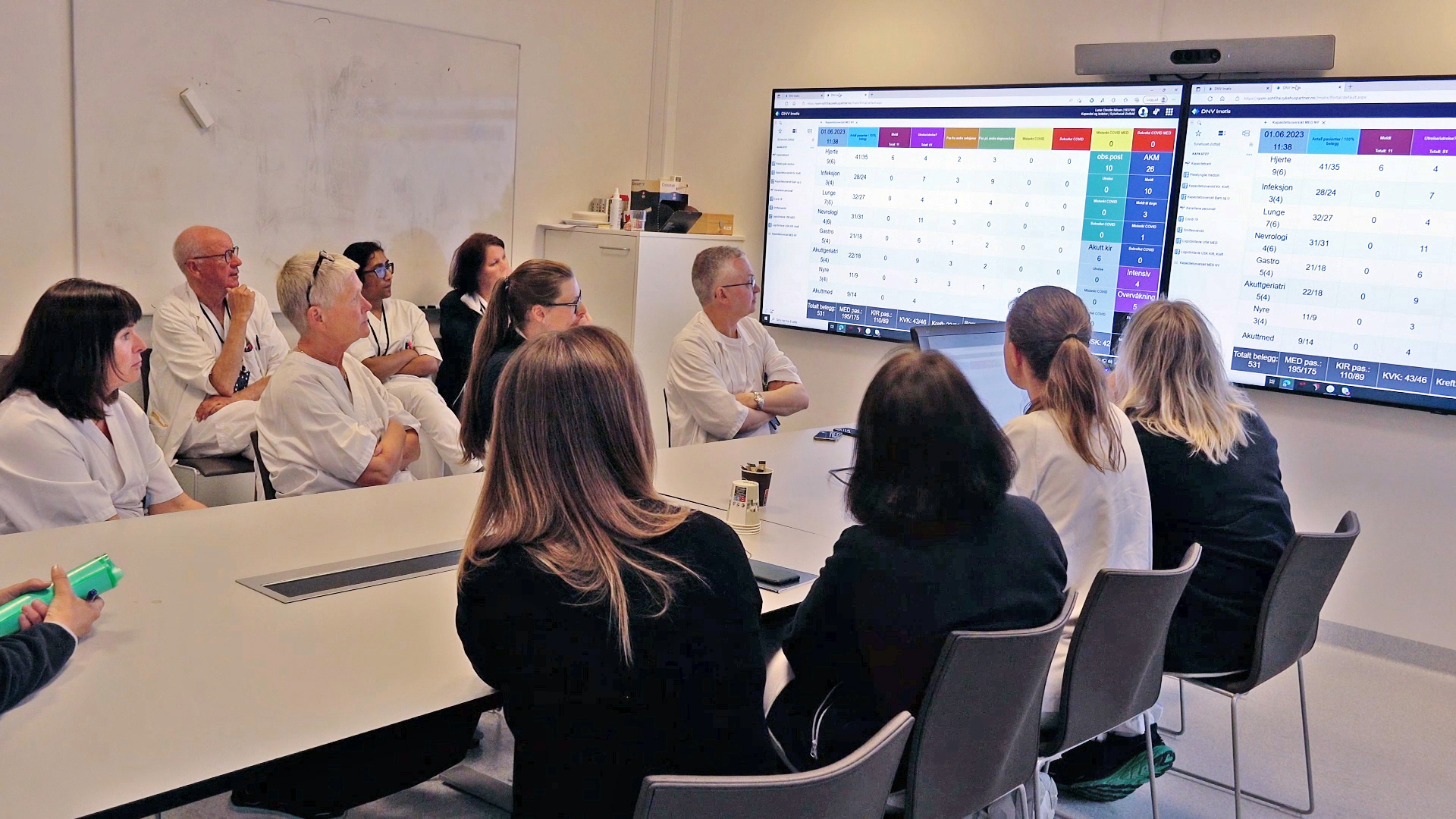
To address these issues, Oslo Emergency Clinic deployed the DNV Imatis’ Fundamentum platform, enabling system-wide coordination and structured processes, tailored for emergency care environments:
- Real time patient and bed management for resource coordination, patient logistics and real-time visibility across units.
- Coordinated task management for role-based task distribution and support services.
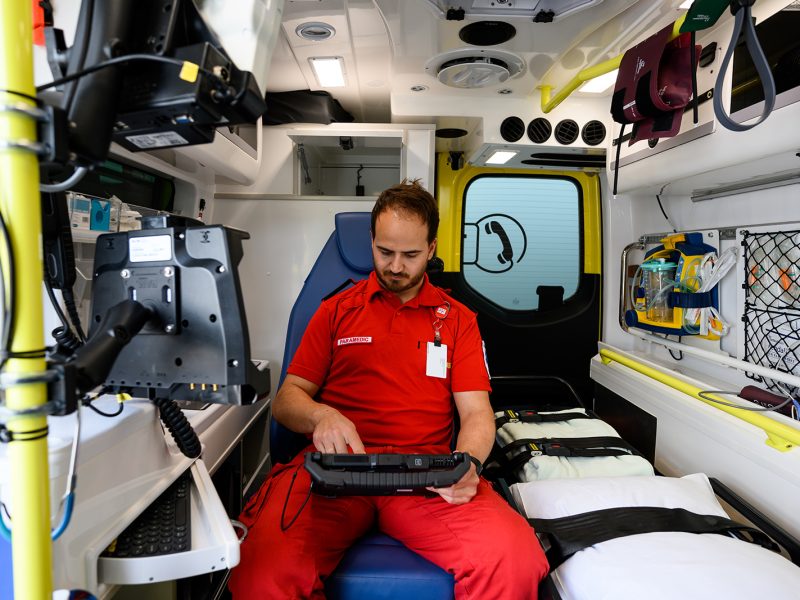
The implementation included lightweight installations in each ward, mobile access for nursing staff, and digital touchpoints replacing paper-based routines. While there were no direct third-party integrations at launch, real-time communication was established between digital touch displays and staff smartphones.
Key components
- Mobile Flow app for nurses, enabling real-time patient coordination and care intensity assessment.
- Digital dashboards to display up-to-date status on beds, cleaning, consults and task prioritisation.
- Smartphones and digital touch displays across departments to support collaboration.
- Role-based task management through Tasks for nursing, housekeeping, and other support services.
- Structured patient flow processes incorporating assessment tools like NEWS2, ADL scores, fall risk and vital signs.
Functionality
The platform enabled:
- Real-time access to lab results, x-ray findings, and other clinical data.
- Structured admission based on care intensity and available capacity.
- Improved coordination of daily routines such as morning care and shift handovers.
- Prioritised medical consults based on patient status and available human resources.
- Full visibility into bed availability and discharge readiness.
- Efficient distribution and execution of support services tasks (e.g., cleaning, transport).
Results and outcomes
The transformation delivered clear and measurable results:
28% reduction in FTEs per patient
20% reduction in personnel costs per patient
£3,000–£5,000 annual value recovered per bed
Over 90% of patients reported high satisfaction
Improved staff well-being and reduced sickness absence
Beyond numbers, the clinic experienced a cultural shift — from fragmented, reactive processes to proactive, structured, and collaborative workflows. Leadership engagement evolved from passive to active as the operational transparency grew, and the workforce embraced the new digital ways of working.
Conclusion
Oslo Emergency Clinic’s digital transformation stands as a strong example of how structured information flow, real-time decision support and collaborative task management can significantly improve emergency healthcare delivery. DNV Imatis solutions helped align people, processes and resources — enabling the clinic to deliver better care, with greater efficiency and less strain on its workforce.

Want to learn how DNV Imatis can improve efficiency in your healthcare operations?
DNV Imatis helps healthcare organisations improve efficiency through real-time information sharing, streamlined workflows and patient journeys, and smarter resource management. Our solutions support staff, enhance patient safety, and improve the overall care experience — while reducing stress and increasing productivity.
Are you curious to find out more, we’re here to help.

Silent Hospital implementation at Royal Cornwall Hospitals NHS Trust

Improving patient flow at Haraldsplass Diaconal Hospital