
CASE STUDY
From fragmented collaboration to a shared overview
Experiences from Larvik municipality
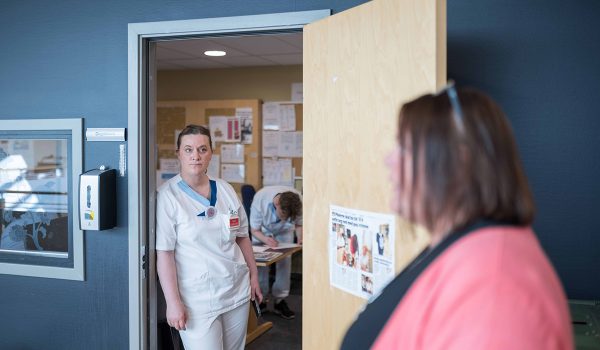
In Larvik Municipality, health and care services have introduced a shared digital workspace for collaboration, visibility and task flow across services.
The experience shows that when information becomes available in real time and communication is brought together in one place, it becomes easier to coordinate work, follow up patient pathways and reduce the risk of tasks falling between different responsibilities. Staff particularly highlight improved overview, more effective collaboration and a more structured working day as the main benefits in day-to-day practice.
Shared workspace
In Larvik Municipality, health and care services have over time worked to simplify and improve collaboration, information flow and operational oversight in a working environment characterised by multidisciplinary teams and the need for close coordination across departments.
The experience shows that when information becomes more accessible and structured in real time, it has a direct impact on both workflows and patient follow-up.
Several staff members report that it has become much easier to maintain an overview when information is gathered in one place. Up-to-date information and improved collaboration have made day-to-day work more structured and helped reduce the use of paper-based processes in key workflows.
Improved overview is also highlighted as an important benefit, particularly because it reduces the risk of incorrect referrals and duplicate work, while giving staff greater flexibility in how and where they carry out administrative tasks.
Better collaboration
It is further highlighted that it is particularly in collaboration across services that the biggest change is experienced. This is described as an area where the value is most visible, while there is still significant potential for further development.
Both planning and appointment management have become easier, and collaboration between different parts of the services works better than before, although there is still room to make fuller use of the opportunities available.
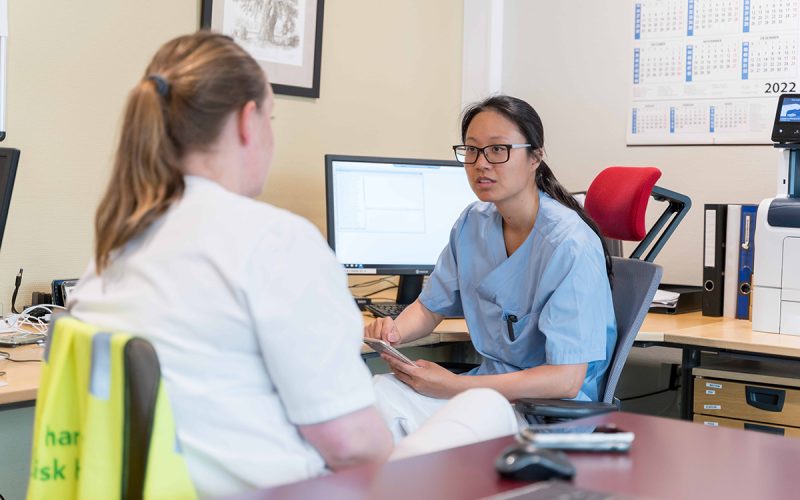
A recurring theme in Larvik Municipality is how improved information flow supports more holistic follow-up of patients.
Greater availability and structure have made it easier to follow up messages, reduced the risk of tasks being missed between responsibilities, and made it easier to identify missing updates in patient pathways.
At the same time, the ability to enter and reschedule messages provides a more flexible and practical working day for staff working shifts.
Night service
In the night service, it is also highlighted how having communication gathered in one system has reduced the need for manual clarifications and telephone contact during evenings and nights.
The ability to log in and update information regardless of location supports better continuity of work, while collaboration between different parts of the service is experienced as more structured and predictable than before.
More holistic patient follow-up
Services particularly highlight better visibility of patient pathways and follow-up of measures such as medical visits and treatment decisions.
When information is collected and made more accessible to all involved, it becomes easier to ensure follow-up over time.
At the same time, shared messages support faster clarifications and smoother communication between different parts of the municipality, without the need for time-consuming phone calls and manual coordination.
Several also describe how digital workspaces provide better structure in planning activities and follow-up.
This includes improved visibility of service user attendance and simpler recording of activities, as well as better overview of patient follow-up, risk assessments and clinical focus areas.
A common thread in these experiences is that information becomes more accessible across roles and disciplines, making it easier to collaborate around patient needs.
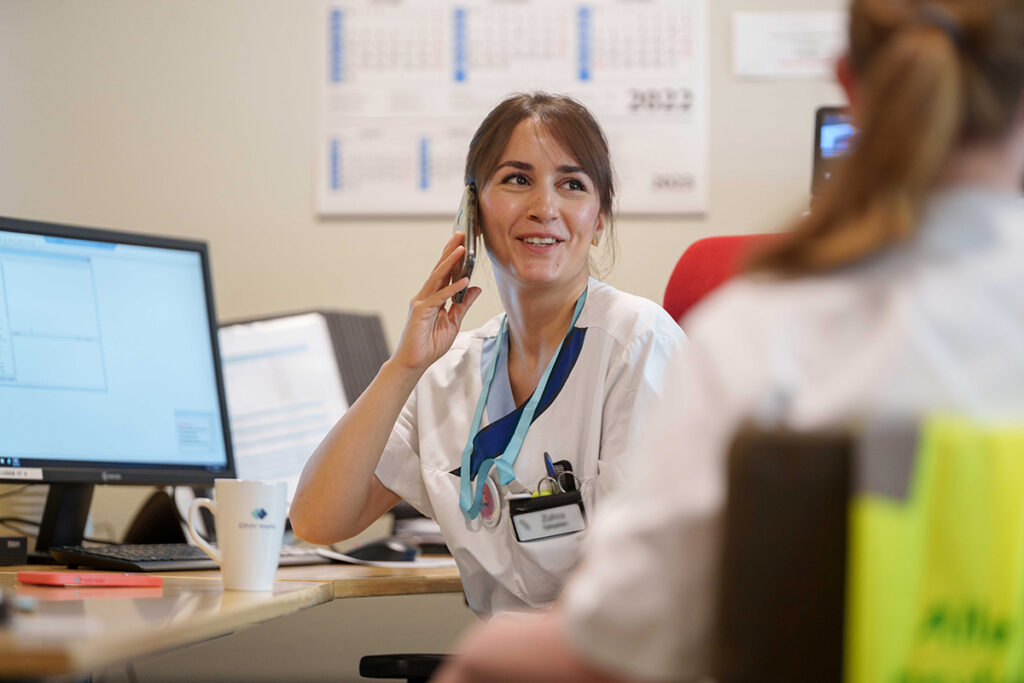
Predictable working day and coordinated service
The experience from Larvik Municipality shows that when information, communication and task flow are brought together in a shared workspace, it results in a more holistic overview, better multidisciplinary collaboration and a more predictable working day.
Not as an end in itself, but as a means of freeing up time and capacity in services where demand is high and complexity is significant.