
Nursing's future is human, powered by technology
The future of nursing is being shaped by a healthcare system under increasing pressure. Ageing populations, rising patient complexity, workforce shortages and financial constraints demand new ways of working. The World Health Organisation predicts a global shortfall of 11 million health workers by 2030, with nurses making up the largest share of that gap. At the same time, demand for healthcare services continues to grow.
Technology is playing an increasingly crucial role in response, not to replace nurses, but to empower them.
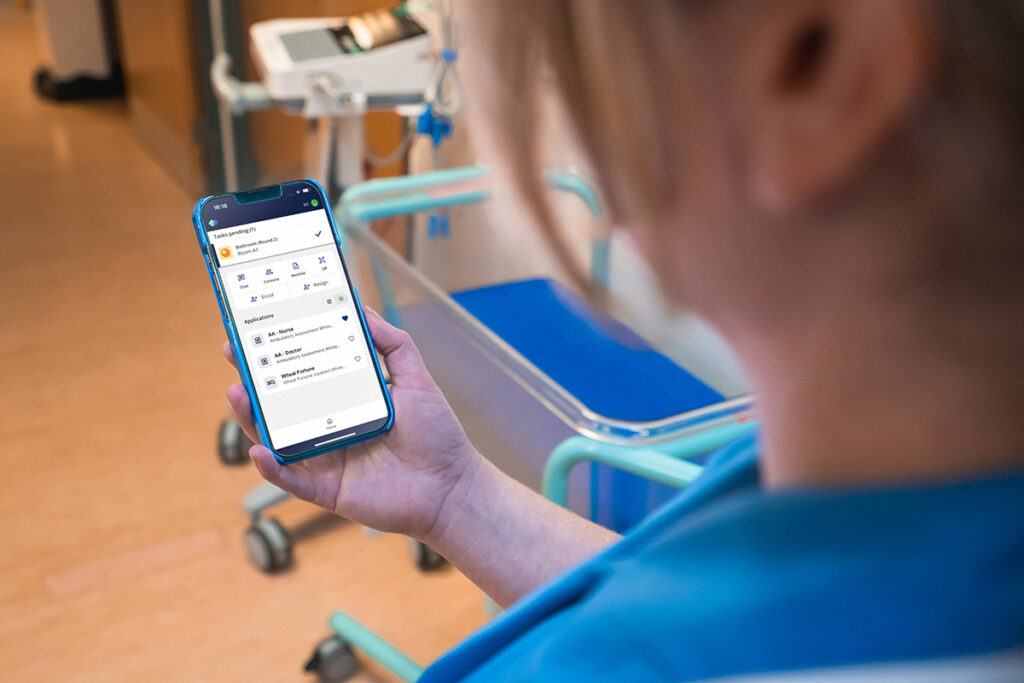
Photo credit: Wandsworth Healthcare RCHT Silent Ward
Reducing the paperwork
Nursing has long been a profession weighed down by paperwork. Hours spent manually documenting patient information, coordinating care and managing logistics take valuable time away from patients. Today, though, real-time monitoring, mobile communication platforms, automated task allocation and integrated electronic patient records are replacing much of that manual work.
Nurses no longer need to rely solely on periodic observations to detect patient deterioration. Continuous monitoring systems with smart alerts enable early intervention, sending real-time updates directly to a nurse’s mobile device so they can respond immediately, rather than waiting for a scheduled round.
Photo credit: Wandsworth Healthcare RCHT Silent Ward
Reducing the paperwork
Nursing has long been a profession weighed down by paperwork. Hours spent manually documenting patient information, coordinating care and managing logistics take valuable time away from patients. Today, though, real-time monitoring, mobile communication platforms, automated task allocation and integrated electronic patient records are replacing much of that manual work.
Nurses no longer need to rely solely on periodic observations to detect patient deterioration. Continuous monitoring systems with smart alerts enable early intervention, sending real-time updates directly to a nurse’s mobile device so they can respond immediately, rather than waiting for a scheduled round.
Cutting the logistical load
Workload remains one of the most pressing issues in nursing today. Studies consistently link excessive workloads to stress, burnout and staff turnover, and much of that load isn’t clinical at all.
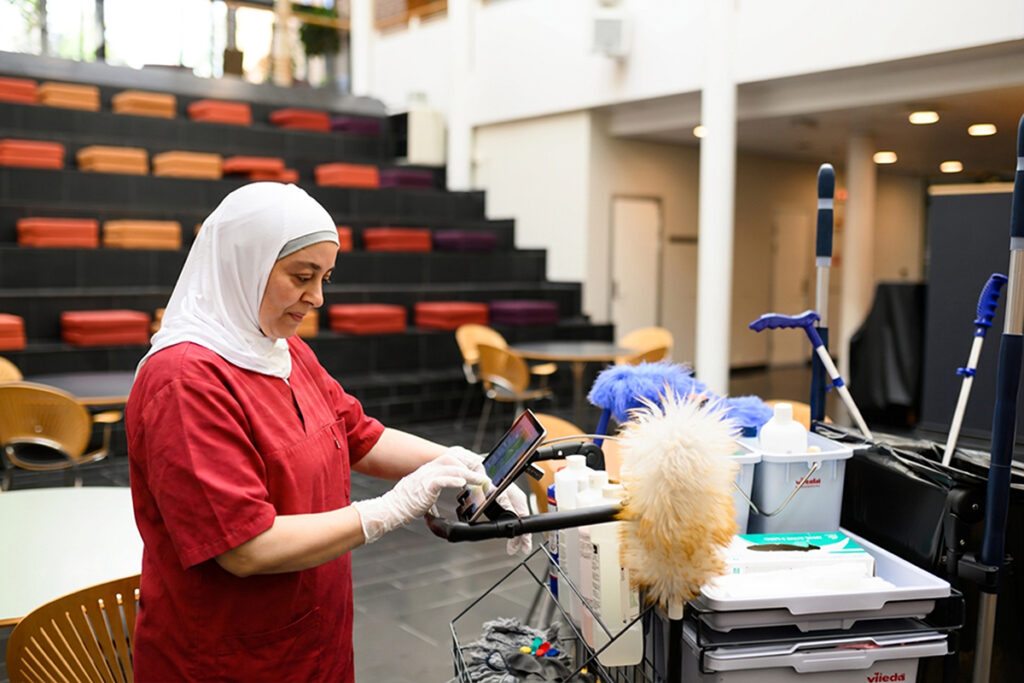
Digital task management systems allow support staff such as porters, cleaners and catering teams to receive and complete requests directly, without nurses having to act as intermediaries. When a patient is discharged, an automated notification can trigger bed cleaning and preparation, reducing delays and freeing up nurses to focus on clinical care rather than logistical coordination. Analytics that give a real-time overview of patient flow can also help trusts anticipate admission surges, so staffing can be adjusted accordingly.
Cutting the logistical load
Workload remains one of the most pressing issues in nursing today. Studies consistently link excessive workloads to stress, burnout and staff turnover, and much of that load isn’t clinical at all.
Digital task management systems allow support staff such as porters, cleaners and catering teams to receive and complete requests directly, without nurses having to act as intermediaries. When a patient is discharged, an automated notification can trigger bed cleaning and preparation, reducing delays and freeing up nurses to focus on clinical care rather than logistical coordination. Analytics that give a real-time overview of patient flow can also help trusts anticipate admission surges, so staffing can be adjusted accordingly.
Putting patients at the centre
Digital communication tools let patients stay informed, manage appointments and reach their care team more easily, reducing the time nurses spend answering routine queries. In some hospitals, bedside tablets already let patients request assistance, access educational materials and order meals directly, cutting reliance on nurses for non-clinical requests.
Despite the rapid advancement of digital tools, the heart of nursing remains human connection. No technology can replace the reassurance of a nurse’s presence, the empathy in their voice or the skill in their hands. The image of a nurse sitting in front of multiple screens monitoring patients is not one of detachment. It’s a shift towards more efficient, data-driven care that frees nurses to do what they do best.
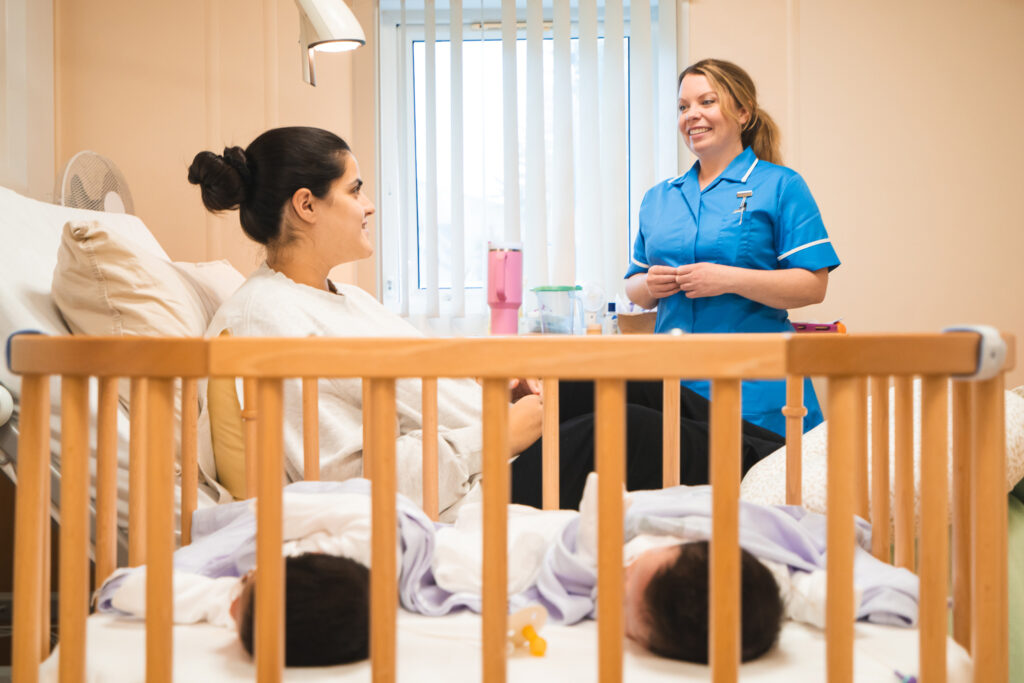
Photo credit: Wandsworth Healthcare RCHT Silent Ward
Where technology should stop
Getting this right depends on nurses being involved in the design of these tools from the outset. Technology that’s intuitive, interoperable and genuinely reduces workload will be embraced. Poorly designed systems that add administrative burden or create silos will only make existing pressures worse.
The nurse of the future may spend less time on paperwork and more time with patients, using decision-support tools, communicating seamlessly across teams on mobile platforms and relying on automation to handle routine tasks. But they will remain, as they always have been, at the centre of patient care.
Photo credit: Wandsworth Healthcare RCHT Silent Ward
Where technology should stop
Getting this right depends on nurses being involved in the design of these tools from the outset. Technology that’s intuitive, interoperable and genuinely reduces workload will be embraced. Poorly designed systems that add administrative burden or create silos will only make existing pressures worse.
The nurse of the future may spend less time on paperwork and more time with patients, using decision-support tools, communicating seamlessly across teams on mobile platforms and relying on automation to handle routine tasks. But they will remain, as they always have been, at the centre of patient care.