
MyStay: Closing the distance in inpatient communication
The shift towards single-occupancy rooms and larger hospital footprints marks a fundamental change for patient privacy and infection control, but it also creates logistical challenges. In modern clinical environments, a closed door can easily become an information vacuum. When a patient is isolated, their needs are often invisible to the nursing team until an alert is triggered.
Currently, the traditional pull cord is the main way a patient gets attention, but because this system leaves staff in the dark about patient preferences until the nurse arrives, it frequently leads to time-consuming, redundant trips. A nurse may enter a room in response to a call only to find the request is minor, such as asking for a glass of water or help with the blinds. If the request requires something from outside the room, the nurse then has to leave to get it, effectively doubling the travel distance and effort. In a large hospital, these unnecessary journeys add up, creating a significant drain on staff capacity and contributing to fatigue. Relying solely on verbal communication for patient needs also falls short in providing patients with a comprehensive view and active participation in their daily inpatient experience.
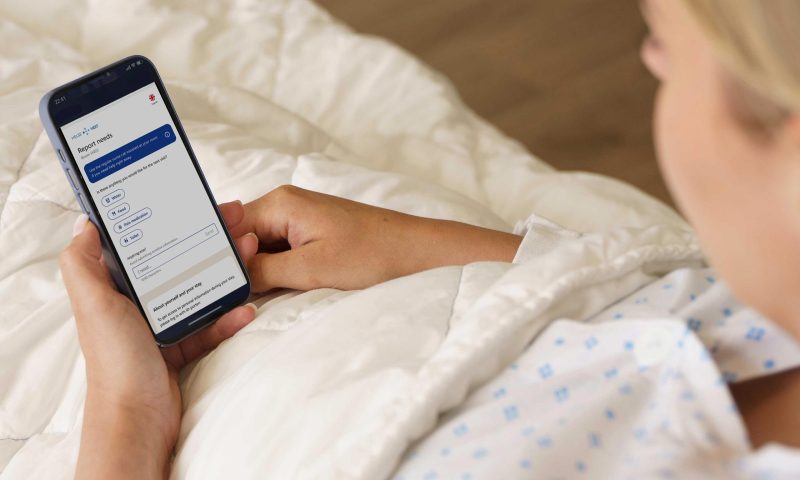
Moving beyond the pull cord
To address this challenge, DNV Imatis has developed MyStay, a patient application created in partnership with clinicians and healthcare authorities to ensure the platform meets the real and practical needs of a busy ward. The platform’s design is the result of extensive clinical collaboration and patient insight. It has been informed by feedback from a wide range of users, including youth councils and patient reference groups, to ensure the interface is intuitive and effective for patients of all ages.
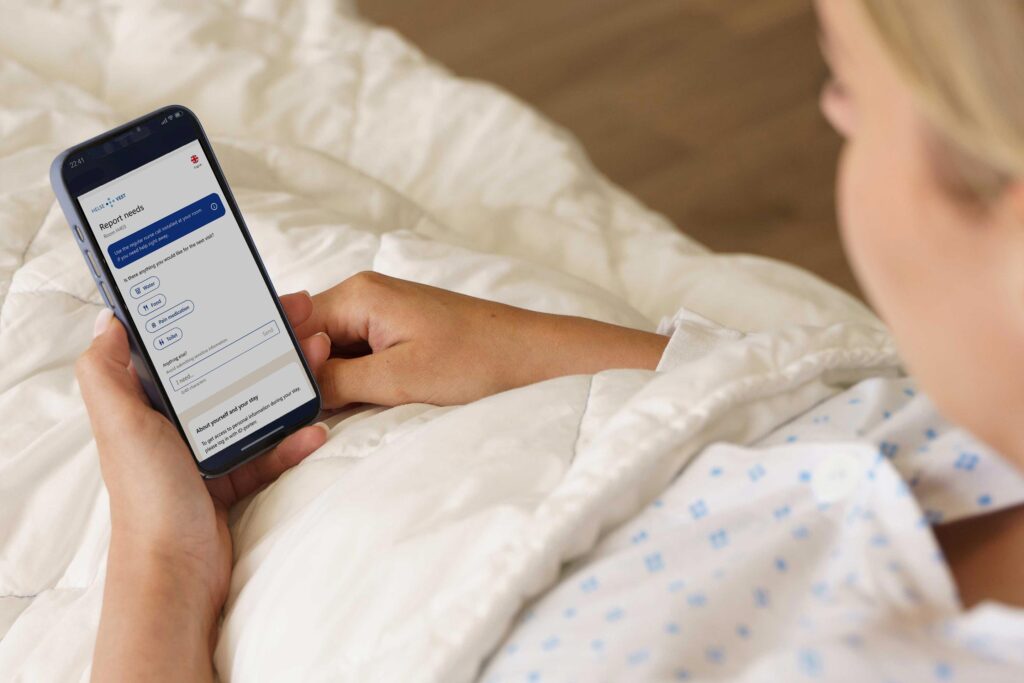
Moving beyond the pull cord
To address this challenge, DNV Imatis has developed MyStay, a patient application created in partnership with clinicians and healthcare authorities to ensure the platform meets the real and practical needs of a busy ward. The platform’s design is the result of extensive clinical collaboration and patient insight. It has been informed by feedback from a wide range of users, including youth councils and patient reference groups, to ensure the interface is intuitive and effective for patients of all ages.
It bridges this gap by turning passive alerts into specific, actionable communication. By categorising requests at the source, staff can better manage their workload and ensure the right resources are available for each patient’s specific need. Instead of relying solely on the pull cord, patients can use MyStay to request specific assistance, like food, water or help with toileting, directly from their own smartphone or tablet. By scanning a simple QR code, the patient gains access to a secure, intuitive interface. The MyStay software supports a bring-your-own-device (BYOD) approach which removes the cost and maintenance burden of installing proprietary bedside hardware. As patients are able to use their own familiar accessibility settings, it makes the solution more inclusive to all, particularly those with impaired vision or specific needs.
Visible tasks lead to better outcomes
When a patient makes a request through MyStay, the information is integrated into the clinical workflow. Nursing staff see the specific request on their mobile devices, allowing them to prioritise tasks and provide a response directly to the patient before they even enter the room. This digital confirmation ensures the patient knows their need has been acknowledged, providing reassurance and cutting down the number of follow-up enquiries that pull staff away from clinical duties.
Visible tasks lead to better outcomes
When a patient makes a request through MyStay, the information is integrated into the clinical workflow. Nursing staff see the specific request on their mobile devices, allowing them to prioritise tasks and provide a response directly to the patient before they even enter the room. This digital confirmation ensures the patient knows their need has been acknowledged, providing reassurance and cutting down the number of follow-up enquiries that pull staff away from clinical duties.
For isolation units, the efficiency gains are even more significant. By communicating needs ahead of time, ward teams can avoid repetitive donning and doffing of personal protective equipment (PPE). Instead of the lengthy process of putting on full PPE just to identify a minor need, the ward team can communicate more efficiently. Staff can ensure they are properly prepared for the specific task at hand, whether it is a simple request or an urgent clinical need.
Making patients active partners in their care
A hospital stay can be overwhelming, leaving patients feeling disconnected from their treatment plan. Beyond simple requests, MyStay serves as a secure information platform. After additional authentication, patients can view essential details about their stay, including:
Seeing who is the responsible nurse and staff for their stay
Viewing information about appointments and their daily schedule
Accessing treatment plans to better understand their care and actively participate in their own recovery
By integrating patient records into a single, accessible view, MyStay reduces manual administrative overhead and helps establish continuity of care on wards. It is not just about reducing steps. It is about creating an environment where communication is fluid, needs are understood immediately and patients are active participants in their own care.
Traditional pull cords still provide the necessary safety net for urgent alerts, with MyStay acting as the solution for routine requests and general communication. Empowering patients with the right digital tools helps to unlock capacity, reduce unnecessary strain on staff and ensure that every patient feels heard, informed and supported throughout their stay.